Paradise Bowls
Growing first-party online revenue 61% with a new loyalty and ordering ecosystem
I replaced a 12-year-old loyalty program with an owned app, website and ordering flow. It doubled member base adding 7,000 members in less than a year and cushioned the brand's slow season.
+61%
First-party online revenue, year over year
9% → 16%
First-party share of sales
+7,000
Loyalty members in year one
Brand and industry
Food & Beverage · QSR · 3 locations in Southern California
My role
Marketing Manager (Head of Marketing)
May 2025 – October 2026
I led strategy, launch and lifecycle marketing for the new loyalty program, app, website and online ordering flow, which launched in December 2025.
The challenge
Paradise Bowls' loyalty program dated back to 2013. In 12 years it had gathered about 8,000 members, and it had only been actively marketed for the last few.
In June 2025, first-party online ordering was just 9% of sales. The business is seasonal, and without an owned way to reach guests, revenue fell every time foot traffic did.
What I did
One owned ordering ecosystem
I moved the brand to Open and launched a new loyalty program, app, website and online ordering flow together, so guests order, earn and redeem in one place.
A reward built to bring guests back
Paradise Cash replaced a points program guests could cash in anytime. Members earn 10% back on every order and redeem once their balance covers an item. That gives guests a reason to return and protects margin on every redemption.
Signups at every order
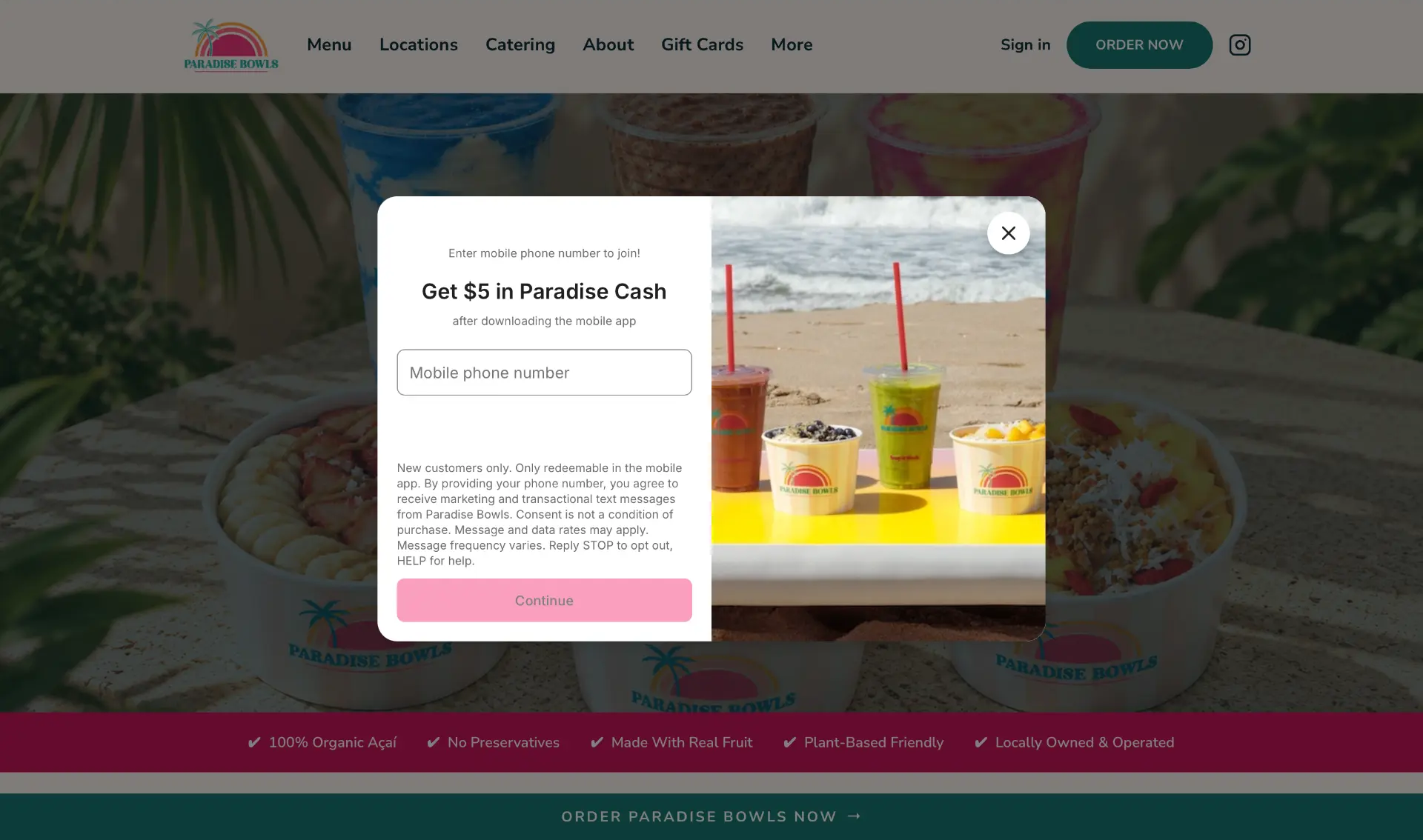
Guests join at checkout with a $5 Paradise Cash welcome offer. Inserts in third-party delivery orders ("This order could've earned you cash") sent DoorDash and Uber Eats guests to the app with a QR code. Together, these added about 7,000 members in year one.
Lifecycle marketing that felt personal
Every member was opted in, so I could keep them ordering through the slow season:
- Relevance: morning pushes for toast and chili when the weather turned cold
- Slow-day traffic: Double Paradise Cash Mondays on app orders, to lift a slower day and pull guests into the app
- Abandoned cart: reminders when someone left an order unfinished
- Win-back: lapsed guests got their most-ordered item recommended back to them, not a generic "order again"
- AI-personalized offers: an "I Miss You" campaign sent tailored discounts, up to a BOGO for the right guest
The results
| Metric | June 2025 | June 2026 | Change |
|---|---|---|---|
| First-party online revenue (net) | $25.4K | $40.9K | +61% |
| First-party online orders | 1,127 | 1,812 | +61% |
| First-party share of sales | 9.1% | 16.0% | ~1.8x |
| First-party share of orders | 7.5% | 14.2% | ~1.9x |
| Loyalty members | ~8,000 (2013–2025) | +7,000 new | ~10x signup pace |
June 2025 (legacy program) vs. June 2026 (new program). Source: Toast.
In its first 10 months, the new ecosystem processed about $406K in online revenue across 16,600 orders. Monthly online revenue peaked at $55K in August 2026, and the average online order grew 11%, from $22.94 to $25.40.
While total store sales dipped 9% year over year, first-party online kept growing. The owned audience cushioned the seasonal drop in foot traffic.
What I learned
A loyalty program is only as valuable as your ability to reach its members. Launching the program, app and ordering flow together meant every new guest was opted in from day one, so each signup became a channel the brand owns instead of a one-time order.
Before and After
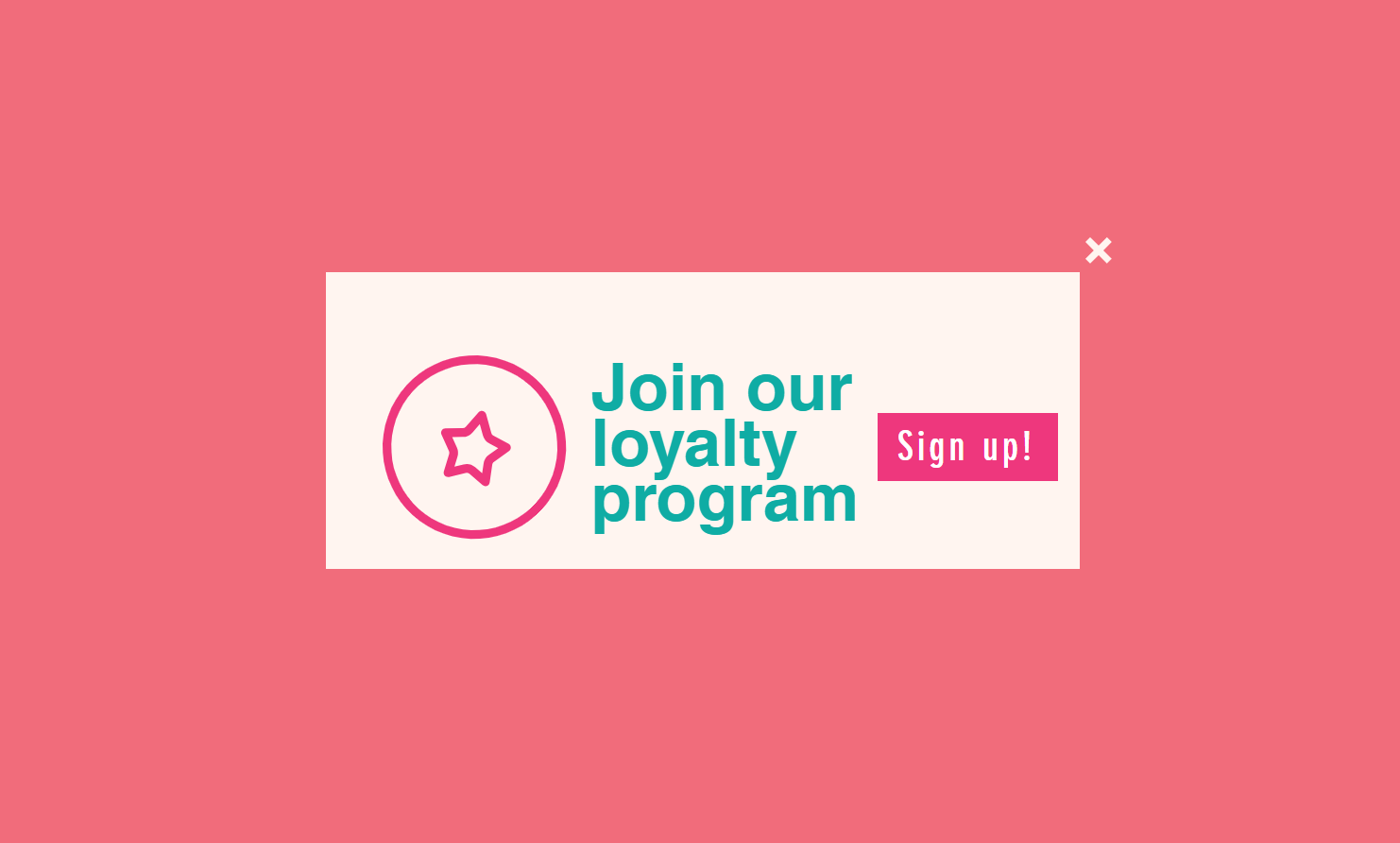
Popup
Before
After
Website
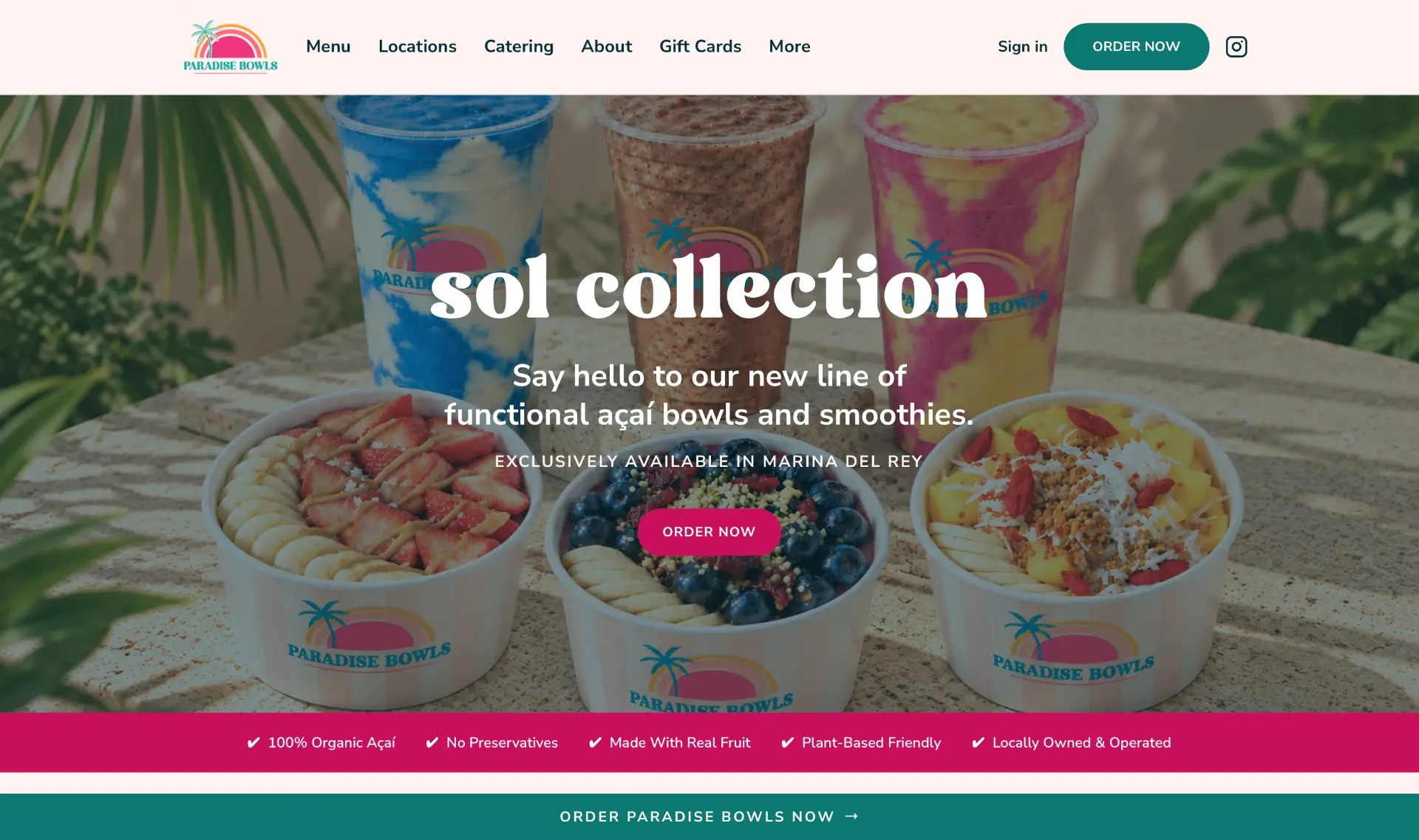
Before
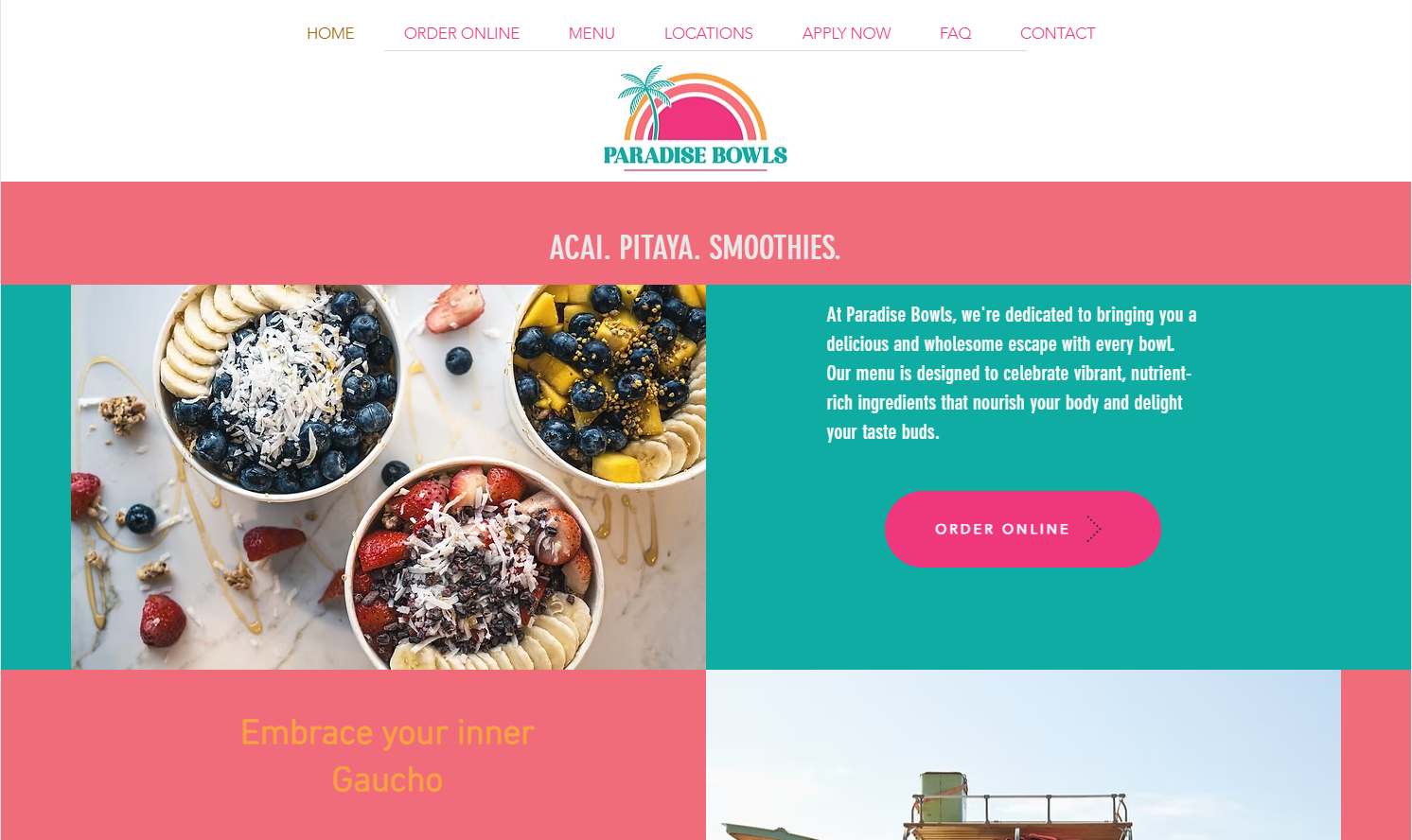
After